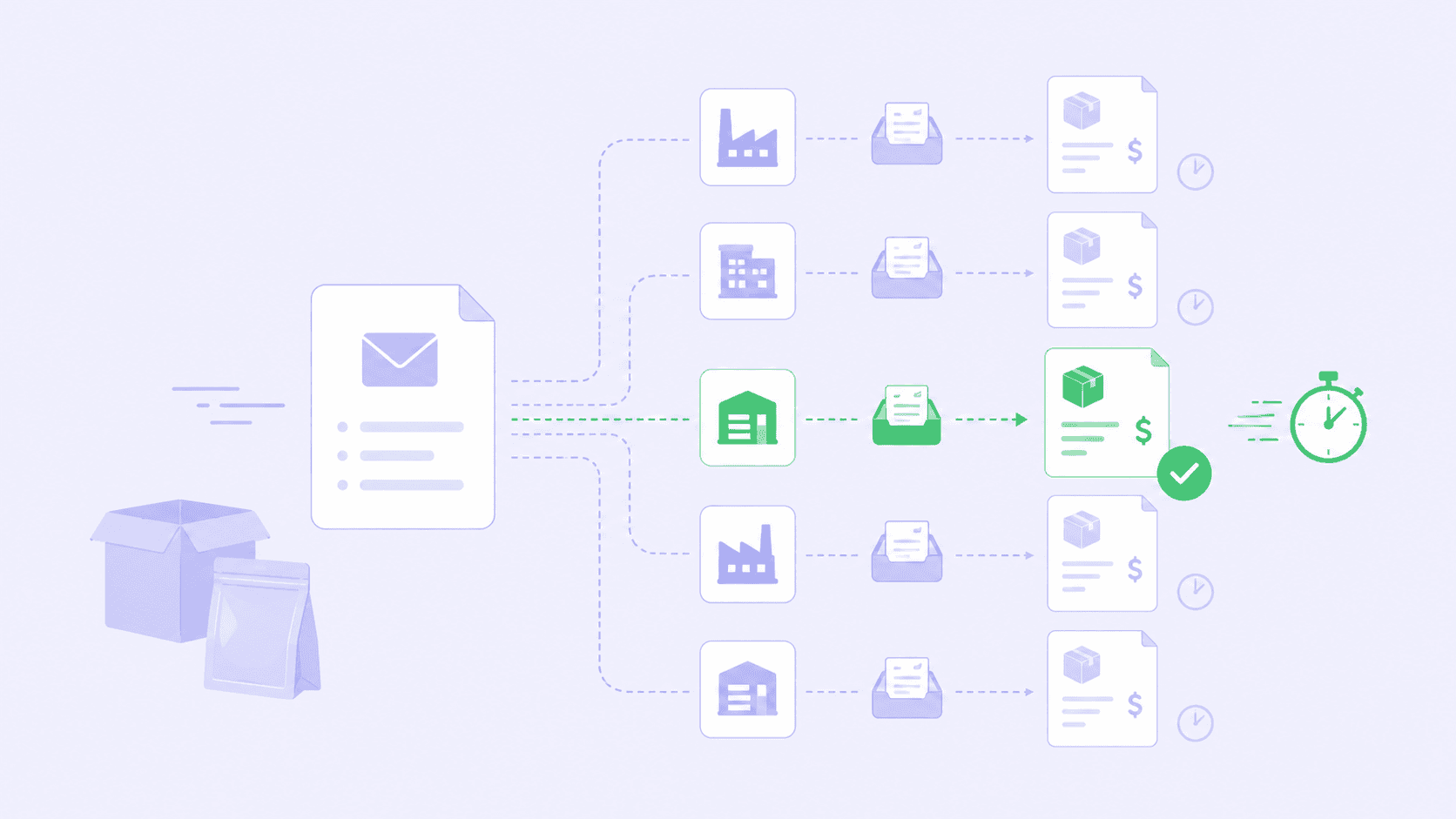
Autonomous procurement is no longer a demo. AI agents now negotiate supplier agreements directly, without a human in the loop, across the long tail of suppliers procurement teams never had the bandwidth to manage. Walmart, Maersk, Honeywell, and a Fortune 500 packaging and print distributor are among the organisations running it in production. That last detail is the one converters should notice: the playbook has already reached the packaging supply chain.
What the Walmart Numbers Actually Show
Walmart is the canonical case, documented in Harvard Business Review's account of how it automated supplier negotiations. A three-month pilot across 89 suppliers set a 20% closure-rate target and hit 64%. Walmart then scaled it past 2,000 suppliers across three continents.
| Metric | Result |
|---|---|
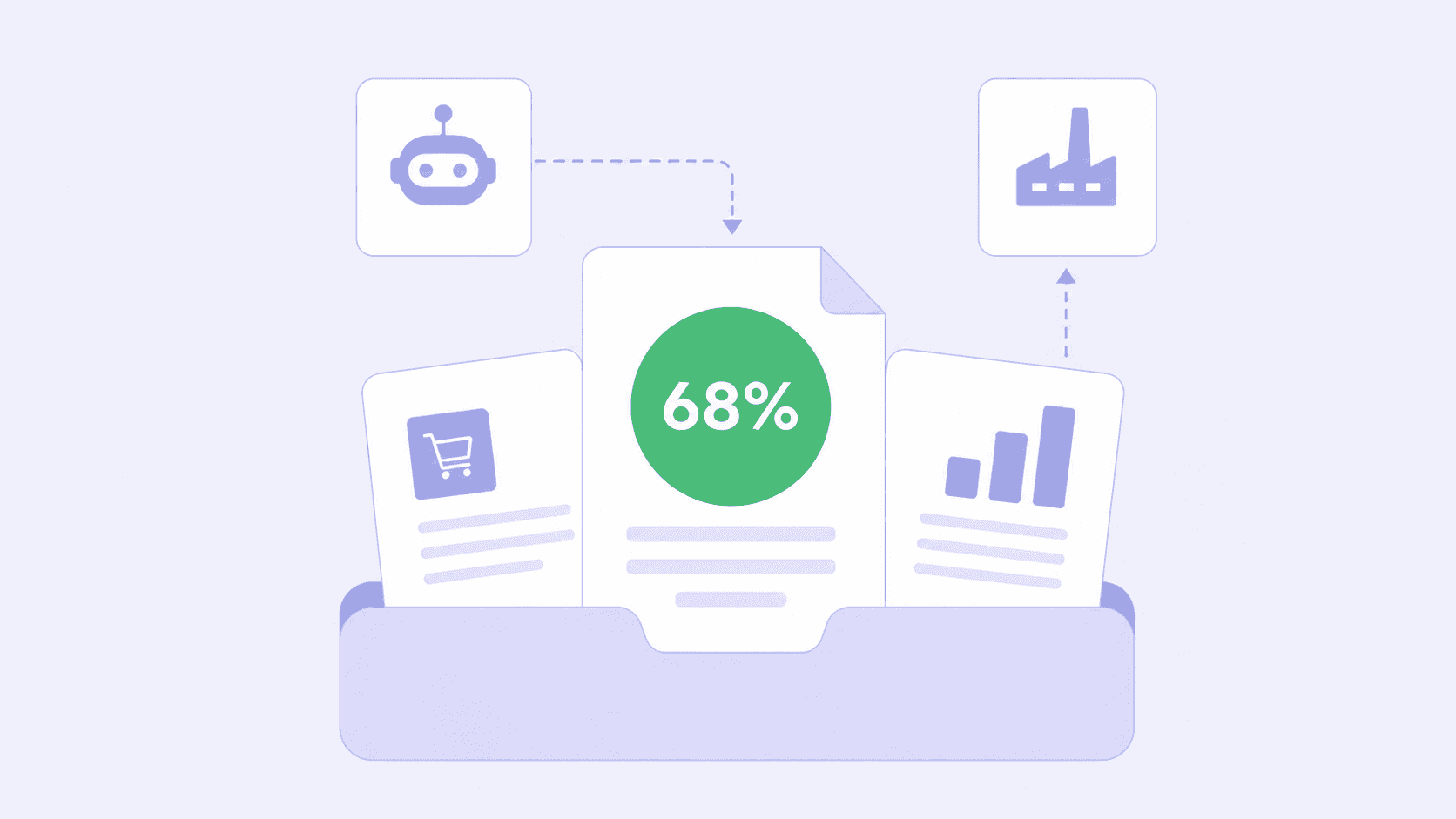
| Supplier-agreement rate | 68% |
| Average savings | ~3% |
| Average payment-term extension | 35 days |
| Average turnaround | 11 days |
| Long-tail suppliers who preferred the agent to a human | ~75% |
Walmart's own framing is exact: AI to manage the tail spend where humans simply do not have the bandwidth. The last row is the surprising one. Most suppliers did not merely tolerate the agent. They preferred it, because it negotiated at any hour, never lost the thread, and answered immediately.
Why This Matters for Packaging Specifically
Because packaging is exactly the kind of spend the playbook targets. The prize has been put at roughly $240 million locked in inefficient long-tail deals for an average Fortune 500 company. Packaging is one of the largest, most fragmented, most tail-heavy categories in that pool: thousands of vendors per region, recurring orders, and a standardised spec language.
When a brand's procurement team turns an agent loose on its tail spend, packaging is near the front of the queue. The converter on the other end either has a system that can respond machine to machine, or does not.
Before any of that reaches the price, though, it reaches a qualification screen. Agent-mediated buying makes that screen harder, not softer, because the attestation and certification data it checks is now read by software: the gates that run before price decide who the agent is allowed to negotiate with at all.
What the Converter on the Receiving End Experiences
The RFQ stops coming from a person. It comes from the buyer's procurement agent, over an API, at a cadence no human sales desk could match.
On the converter's side, quote automation does what it already does, reading the request, extracting the specs, and drafting a quote against the real cost model. The difference is that the exchange is software to software and the response goes back in seconds instead of days.
What Each Walmart Metric Implies for a Converter
| Walmart result | What it means for a converter |
|---|---|
| 68% agreement rate | Most agent-initiated RFQs convert, if you can answer at machine speed |
| 11-day turnaround | The whole negotiation compresses; slow human quoting loses before it starts |
| ~3% savings to the buyer | Price discipline tightens; margin has to be defended by the system, not improvised |
| 75% preferred the agent | Responsiveness beats relationship on the long tail; availability is the advantage |
How a Converter Gets Ready
The converters who win the agent-mediated long tail will be the ones whose systems can negotiate while they sleep. Practically:
-
Encode the cost model in software, so a quote can be produced without the estimator in the room.
-
Hold a defined margin band the system enforces on every quote, instead of relying on the mood of whoever is quoting.
-
Expose a machine-readable catalogue a buyer's agent can quote against: an open API rather than a PDF price list.
-
Instrument win rate and time-to-quote, so you can see in numbers where automation moves the needle.
Get Ready for the Agent on the Other End
The Walmart playbook is the preview, not the exception. Buyers automated their side first because the savings were obvious. The seller side is where the response has to come from now, and a converter that answers in seconds, with a defensible number, is in a materially different position than one whose quote desk closes at six.
If you want to see what that looks like against your own cost model, book a demo.
Câu Hỏi Thường Gặp
No. Those agents sit on the buyer's side of the table. Packative One is the seller-side system that gives a converter something for that agent to talk to. They sit at opposite ends of the same transaction.
First published on the Packative blog in May 2026. Revised here with current product naming.